
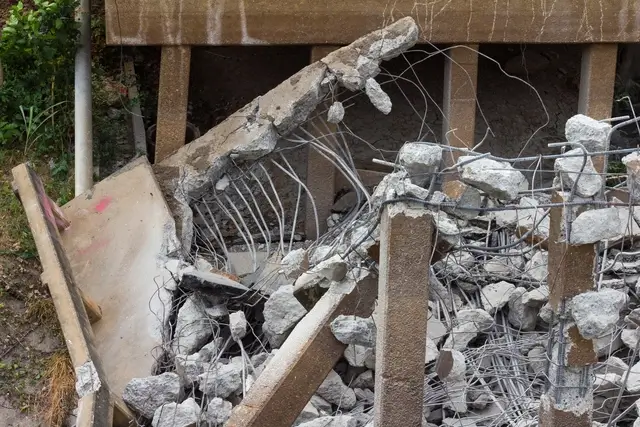
A job site can be running fine at 8 a.m. and feel jammed up by lunch just because debris starts piling in the wrong place. Broken drywall, pallet scraps, torn-out cabinets, concrete chunks, cardboard, and packaging all take up room fast. Construction trash hauling is what keeps that mess from turning into a delay, a safety issue, or a bad look for the client walking through.
This is one of those services people tend to think about after the pile gets too big. By then, your crew is stepping around debris, material deliveries have less room, and someone is losing time loading a pickup instead of doing paid work. Good hauling support is less about getting rid of junk and more about keeping the site usable from start to finish.
Why construction trash hauling matters more than people think
On paper, debris removal sounds simple. Load it up, haul it off, move on. Out in the field, it affects the whole job. The cleaner the site stays, the easier it is to work, stage materials, and keep subcontractors moving without tripping over each other.
There is also a safety side to it. Loose debris creates trip hazards, sharp edges, blocked paths, and unstable piles that should not be sitting next to active work areas. That matters on a small residential remodel, and it matters even more on a tight commercial site where multiple trades are rotating through.
Then there is the client side. Homeowners notice clutter right away. Property managers do too. A site does not need to look perfect in the middle of a project, but there is a big difference between active work and a mess that looks unmanaged. Consistent hauling helps the project feel under control.
What builds up on a real job site
Most construction debris is not one neat pile of the same material. It is mixed. You might have framing scrap, flooring tear-out, drywall offcuts, insulation bags, busted tile, old vanities, cardboard, and a few bulky items the crew did not plan on handling. That mix is exactly why hauling gets tricky when nobody has a real plan.
Heavy debris changes the job too. Concrete, brick, mortar, dirt, and roofing material can add weight fast. Not every load is the same, and not every vehicle setup is right for every type of debris. A cleanup crew that understands the difference can load safely, protect the property, and avoid dragging out the job because the wrong equipment showed up.
When to schedule hauling on a project
The answer depends on the size of the job and how the site is laid out. For a smaller renovation, one well-timed haul near the midpoint and a final cleanup may be enough. On a larger remodel, tenant turnover, or contractor-driven site, multiple pickups usually make more sense.
If debris is affecting access, parking, staging, or crew movement, it is already time. Waiting until the end sounds efficient, but it often costs more in lost labor and avoidable slowdown. A carpenter, painter, or flooring installer should not be spending part of the day clearing a path to keep working.
A lot of contractors do best with scheduled touchpoints. Maybe it is one haul after demolition, another after rough-in waste stacks up, and one more near project closeout. That keeps the site workable without overcomplicating things.
Construction trash hauling for contractors
Contractors usually care about three things most – showing up when promised, loading without babysitting, and pricing that makes sense before the work starts. If any one of those is off, the hauling service becomes one more problem to manage.
The best setup is simple. The crew knows what is going, where to access it, and whether there are weight issues or limited entry points. The hauler arrives on time, loads efficiently, and gets out of the way. That is what helps jobs stay on schedule.
There is also a communication piece that gets overlooked. If a pickup needs to happen before another trade arrives, or if materials are being delivered at a certain hour, timing matters. The hauling crew does not need to run the whole project, but they do need to fit into it cleanly.
What homeowners should expect
Homeowners usually run into construction debris during remodels, garage conversions, roofing work, flooring replacement, kitchen tear-outs, or major property cleanups. In those cases, hauling is not just about convenience. It is about keeping the house, driveway, and yard from becoming a dumping ground while the project is still active.
A good crew should be able to remove debris without tearing up the property or leaving loose material behind. That means thinking about access, protecting surfaces when needed, and cleaning the area after loading instead of leaving dust and nails scattered around.
If you are the homeowner, it helps to ask a few straightforward questions up front. What exactly is being removed? Is it a one-time pickup or part of an ongoing cleanup plan? Are bulky items, heavy debris, or partial demolition material included? Clear answers early usually mean fewer surprises later.
What separates solid hauling from a guy with a trailer
Sometimes a small load really is just a quick pickup. But active construction sites usually need more than that. They need reliability, insurance, safe loading, and people who understand how to work around a property without creating more issues.
The difference shows up in the details. Can the crew handle mixed debris without turning the site into chaos? Do they communicate arrival windows clearly? Can they deal with concrete, framing scraps, old fixtures, and demolition leftovers in the same job? Do they know how to load efficiently so the driveway is not blocked all afternoon?
Professional hauling also matters when the site is occupied. If a homeowner is living through a remodel or a property manager is turning units for new tenants, cleanup has to happen with some order to it. Fast is good. Controlled is better.
How pricing usually works
Construction trash hauling is rarely one-size-fits-all. Volume matters, but so do labor, weight, access, and material type. A load of cardboard and trim is not the same as a load of broken concrete and tile. A clean pile at the curb is not the same as debris spread across a backyard, second floor, and side yard.
That is why all-in pricing matters. People want to know what the job includes before the crew starts loading. If there are stairs, long carry distances, tight access, or unusually heavy material, that should be part of the conversation from the beginning.
The lowest quote is not always the best value if it turns into confusion on site. Clear pricing, clear scope, and clear communication usually save more headaches than shaving a few dollars off the front end.
Choosing the right construction trash hauling partner
If you hire hauling support often, consistency matters more than big promises. You want a company that answers the phone, communicates clearly, and treats the job like part of the project instead of an afterthought.
Look for practical signs. Are they licensed and insured? Do they sound like they understand job site conditions, not just household junk pickup? Can they work with contractors, homeowners, and property managers without needing everything spoon-fed? Those things matter a lot more than polished sales talk.
In Northeast Georgia, that local knowledge can help too. Traffic, access, neighborhood layouts, and turnaround time all affect scheduling. A crew that works this area regularly will usually have a better feel for how to keep the pickup from becoming another delay.
For companies like Drop Zone CleanUp, the value is pretty simple – one call, one crew, zero surprises. That is what people actually want when debris is in the way and the job still needs to move.
Keep the mess from running the project
Construction debris has a way of becoming normal until it starts slowing everybody down. Then it is suddenly urgent. The better approach is to treat hauling like part of the job plan from the start, whether you are managing a renovation, finishing a turnover, or trying to keep a residential project from taking over the whole property.
When the trash gets handled on time, the site works better. Crews move easier, clients feel better about progress, and you spend less time dealing with cleanup problems that should have been solved days earlier. That is usually the difference between a job that feels organized and one that always seems one step behind.