
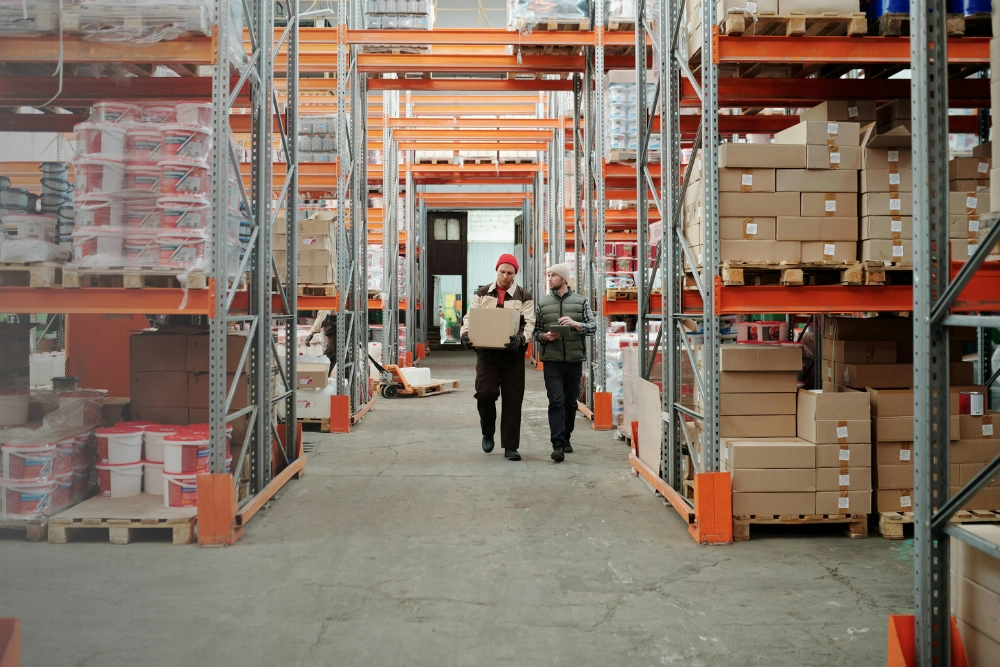
An overflowing storage rack, a blocked aisle, or a growing pile of unused equipment can make even a large warehouse feel short on space. A well-planned warehouse cleanout helps businesses reclaim valuable storage areas, improve inventory visibility, and create a more organized working environment.
The most effective approach is to assess the facility, sort inventory, remove unnecessary materials, and establish a storage system that supports daily operations.** Rather than relocating clutter from one area to another, warehouse managers should identify which items need to remain, which can be reassigned, and which should be removed.
For businesses managing larger facilities, understanding how commercial junk removal supports daily business operations can also help when planning a cleanout that minimizes disruption.
The following warehouse cleanout tips provide practical guidance for improving organization, maximizing available space, and maintaining efficient operations.
1. Start With a Warehouse Walkthrough
Before moving inventory or removing unwanted materials, evaluate the current condition of the warehouse.
A comprehensive walkthrough helps identify areas where clutter, outdated equipment, or inefficient storage arrangements affect accessibility and productivity.
Pay particular attention to:
- Overcrowded storage racks: Shelves containing obsolete inventory or unnecessary materials.
- Blocked aisles: Boxes, pallets, and equipment restricting movement.
- Unused equipment: Broken machinery, outdated fixtures, or tools that no longer serve an operational purpose.
- Disorganized inventory: Products stored in incorrect locations or without clear identification.
- Accumulated packaging: Empty boxes, plastic wrapping, and damaged pallets occupying valuable space.
Document these conditions and prioritize areas based on safety, accessibility, and operational requirements.
Photographs and basic inventory records can help warehouse managers establish the scope of the project before removal begins.
A thorough assessment also provides a starting point for measuring improvements after the cleanout.
2. Sort Inventory Before Removing Anything
One of the most important warehouse cleanout tips is to separate inventory, equipment, and miscellaneous materials into clearly defined categories.
Without an organized sorting process, businesses risk discarding valuable assets or retaining items that no longer support operations.
Consider using four categories:
Keep
Retain active inventory, functional equipment, and materials required for regular business activities.
Relocate
Identify items that belong in another storage area, department, or facility.
Donate or Recycle
Separate usable equipment, packaging, and other materials that may be suitable for donation or recycling.
Dispose
Identify broken, damaged, or obsolete items that cannot reasonably be reused or recovered.
For inventory with uncertain ownership or status, establish a temporary review area rather than making immediate disposal decisions.
Assign a designated employee or department manager to approve inventory removal. This helps reduce the risk of accidentally discarding valuable business property.
Businesses managing significant amounts of packaging, outdated equipment, or reusable materials may also benefit from our eco-friendly junk removal services, which prioritize appropriate recycling and donation opportunities when available.
3. Organize Your Warehouse Into Functional Zones
A successful warehouse cleanout should improve how the facility operates after unwanted materials have been removed.
Organizing storage areas by function can make inventory easier to locate and help employees move through the workspace more efficiently.
Create Clearly Defined Storage Areas
Depending on your operation, consider separating the warehouse into:
- Receiving and incoming inventory
- Active inventory storage
- Picking and packing stations
- Shipping and outgoing orders
- Equipment and maintenance supplies
- Returns and damaged inventory
- Approved waste and recycling collection areas
Clearly identified zones help prevent materials from being placed in inappropriate locations.
Use visible labels, floor markings, and appropriate signage to help employees understand where materials belong.
Keep Frequently Used Items Accessible
Place high-demand products and frequently used supplies in accessible storage locations appropriate for their size, weight, and handling requirements.
Less frequently used inventory can be stored in designated areas that do not interfere with daily workflows.
Avoid placing heavy materials on unsuitable shelving or exceeding manufacturer-rated storage capacities.
The objective is to establish a layout that supports efficient movement without compromising workplace safety.
4. Remove Unused Equipment and Excess Materials
Warehouses frequently accumulate equipment, furniture, and supplies that are no longer essential to business operations.
Examples include:
- Broken office furniture
- Damaged shelving components
- Outdated storage fixtures
- Empty pallets and packaging
- Nonfunctional tools and equipment
- Unused displays and promotional materials
- General nonhazardous commercial debris
These materials occupy space that could otherwise support active inventory, equipment storage, or operational activities.
Before arranging removal, determine whether equipment contains batteries, oils, refrigerants, or other regulated materials requiring specialized handling.
For larger projects, our commercial junk removal services can assist businesses with loading and hauling eligible unwanted materials.
Professional hauling can be particularly useful when the volume or weight of accumulated items makes removal difficult for employees to manage alongside their regular responsibilities.
5. Prioritize Safety Throughout the Cleanout
Warehouse organization should never compromise employee safety or interfere with essential operations.
During a cleanout, moving equipment, shifting materials, and accumulating debris can introduce temporary hazards.
Maintain Clear Aisles and Emergency Exits
Keep emergency exits, fire protection equipment, and designated travel paths unobstructed.
Avoid creating temporary debris piles near loading docks, doorways, or areas used by forklifts and other material-handling equipment.
Establish designated staging areas for items awaiting removal.
Use Appropriate Material-Handling Practices
Employees should not attempt to move oversized or excessively heavy objects without suitable equipment and training.
Only authorized and appropriately trained personnel should operate forklifts, powered industrial trucks, or specialized lifting equipment.
Use appropriate lifting procedures and maintain clear communication when materials are being transported through active work areas.
Inspect Storage Racks and Shelving
Look for:
- Bent or damaged rack components
- Loose connections
- Unstable loads
- Damaged supports
- Signs of overloading
If a storage rack appears damaged or unsafe, restrict access and arrange an appropriate inspection before returning it to service.
A warehouse cleanout provides an opportunity to identify these conditions before they create additional operational or safety concerns.
6. Plan the Cleanout Around Business Operations
Warehouse cleanouts can temporarily affect inventory access, shipping schedules, and employee movement.
For active facilities, completing the project in stages may help minimize unnecessary disruption.
Consider the following approach:
- 1.Identify priority areas. Begin with cluttered sections that create operational or safety concerns.
- 2.Choose an appropriate schedule. Coordinate removal activities around delivery periods, production requirements, and employee availability.
- 3.Assign responsibilities. Determine who will oversee inventory decisions, material movement, and disposal approvals.
- 4.Separate active inventory. Keep products required for daily operations accessible and protected.
- 5.Coordinate debris removal. Arrange hauling after materials have been approved for disposal.
- 6.Inspect completed areas. Confirm that storage locations, walkways, and workstations are ready for normal use.
For larger facilities, a phased warehouse cleanout may be more practical than attempting to clear the entire building at once.
Coordinate Cleanup During Renovation Projects
Warehouse renovations, storage system upgrades, and facility improvements may generate additional waste, including lumber, drywall, damaged fixtures, and packaging.
These materials should be managed separately from active inventory and general commercial clutter.
Our guide on how to dispose of construction debris explains practical considerations for sorting and managing waste generated during renovation projects.
Coordinating debris removal with construction activities can help maintain clear work areas and reduce interference with normal warehouse operations.
7. Improve Storage Efficiency After the Cleanout
Removing unwanted materials is only the beginning.
To maintain the benefits of a warehouse cleanout, review how the facility uses its available storage space.
Effective warehouse space optimization may include:
- Labeling racks, shelves, and inventory locations
- Grouping similar products and supplies
- Keeping frequently accessed inventory in practical locations
- Using appropriate vertical storage where rack capacity and safety requirements allow
- Establishing designated locations for returns and damaged products
- Reviewing storage layouts as inventory requirements change
A more organized warehouse can make routine inventory checks easier and reduce time spent searching for misplaced materials.
Review Storage Capacity and Layout
Evaluate whether existing shelving, racks, and storage systems are appropriate for the products being handled.
Consider factors such as inventory turnover, product dimensions, equipment clearance, and safe material movement.
Avoid maximizing storage density at the expense of accessibility or safety.
The objective is not simply to create additional empty space. It is to make the available space more functional and easier to manage.
8. Establish a Routine Warehouse Maintenance Plan
Without ongoing maintenance, unnecessary materials can gradually accumulate again.
A structured maintenance schedule helps employees identify clutter and storage issues before they become larger operational problems.
Daily Warehouse Maintenance
- Remove packaging waste from designated work areas.
- Return tools and equipment to assigned locations.
- Keep aisles and emergency exits clear.
- Check that active workstations remain organized.
Weekly Warehouse Maintenance
- Inspect common storage areas for misplaced inventory.
- Review waste and recycling collection points.
- Identify damaged pallets or unnecessary materials.
- Check designated storage zones for overcrowding.
Monthly Warehouse Maintenance
- Evaluate obsolete inventory and unused equipment.
- Review storage efficiency and organization.
- Identify areas requiring a more extensive cleanout.
- Assess whether storage arrangements continue to meet operational needs.
The appropriate schedule depends on warehouse size, inventory turnover, staffing, and daily activities.
Consistent maintenance helps preserve the improvements achieved during the initial cleanout.
9. Know When Professional Junk Removal Can Help
Some warehouse cleanouts involve more materials than employees can reasonably handle alongside their normal responsibilities.
Professional junk removal may be appropriate when a business needs to clear substantial quantities of unwanted furniture, storage fixtures, packaging, or general commercial debris.
Consider professional assistance when:
- Large quantities of unwanted materials have accumulated.
- Heavy furniture or storage fixtures require removal.
- The warehouse must be cleared within a defined timeframe.
- Employees need to remain focused on normal operations.
- Materials are difficult to transport using available equipment.
- Multiple storage areas require coordinated cleanup.
Before scheduling removal, identify which materials have been approved for disposal and confirm that the provider can accept them.
For facilities undergoing remodeling or major layout changes, our construction debris removal services can also assist with eligible renovation materials.
At Drop Zone CleanUp Co., we help businesses throughout Winder and surrounding Northeast Georgia communities manage commercial junk removal and property cleanout requirements.
Our team assists with loading, hauling, and cleanup of approved materials, helping businesses prepare their facilities for more organized operations.
Keep Your Warehouse Organized and Ready for Business
A well-organized warehouse makes it easier to manage inventory, maintain clear work areas, and use available storage more effectively.
By sorting unnecessary materials, improving storage layouts, coordinating debris removal, and establishing regular maintenance practices, businesses can reduce clutter and maintain a more functional working environment.
For warehouse managers and business owners in Winder, Athens, Braselton, and surrounding Northeast Georgia communities, professional removal assistance can help simplify larger cleanout projects.
Our veteran-owned team provides dependable commercial junk removal services with clear communication and start-to-finish cleanup for eligible materials.
If your warehouse has accumulated unwanted equipment, furniture, packaging, or other commercial debris, call 706-714-0156 or contact our team to discuss your warehouse cleanout.
Frequently Asked Questions
How Do You Start a Warehouse Cleanout?
Begin by inspecting the facility, identifying cluttered areas, and sorting inventory into keep, relocate, recycle, and disposal categories. Assign responsibilities and schedule removal activities around normal warehouse operations.
How Often Should a Warehouse Be Cleaned Out?
The frequency depends on inventory turnover, facility size, and operational requirements. Routine housekeeping should be ongoing, while more extensive inventory reviews and cleanouts can be scheduled periodically or when storage conditions change.
What Items Can Be Removed During a Warehouse Cleanout?
Common items include unwanted office furniture, empty packaging, damaged pallets, obsolete storage fixtures, and general nonhazardous commercial debris. Always confirm which materials your removal provider accepts.
How Can a Warehouse Cleanout Improve Efficiency?
Removing unnecessary materials can free storage space, improve inventory visibility, reduce obstructions, and make frequently used products and equipment easier to access.
Can Warehouse Cleanouts Happen While a Business Remains Open?
Yes, depending on the facility and scope of work. A phased approach, clearly defined work boundaries, and coordination with warehouse management can help limit disruption while maintaining safe access and operations.
Request Service