
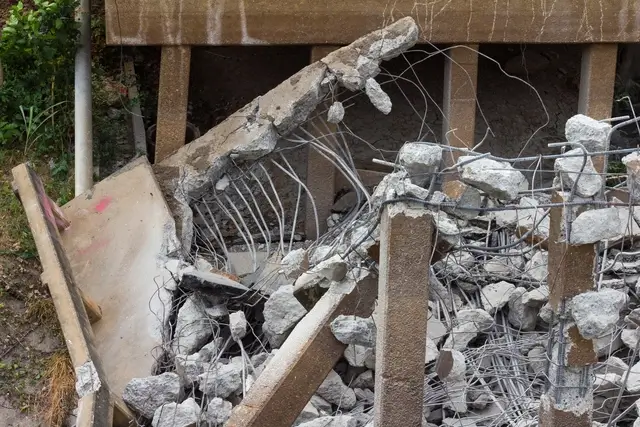
Walk onto a renovation or new build after a few days of work and one thing becomes obvious fast – material starts piling up. Broken concrete, torn-out drywall, scrap lumber, dirt, pallets, packaging, and all the other mess that slows a crew down. That is where the answer to what is hauling in construction gets practical. Hauling is the work of moving materials, debris, and waste on or off a job site so the project can keep moving.
A lot of people hear the word hauling and think it just means “taking junk away.” On a real job site, it is broader than that. It can mean bringing in fill dirt or gravel, removing demo debris, loading out concrete chunks, clearing brush and storm mess, or hauling away mixed construction waste after each phase of work. If material needs to be moved by truck, trailer, equipment, or crew labor, hauling is part of the operation.
What is hauling in construction, really?
At the simple level, hauling in construction is the transportation of materials tied to a building project. Some of that material is useful and going in, like gravel, sand, stone, or other bulk loads. Some of it is coming out, like drywall scraps, busted tile, framing waste, shingles, cabinets, flooring, dirt, or concrete.
The reason it matters is straightforward. Every job site has a material flow. New material comes in. Waste goes out. If either side gets backed up, the site gets slower, tighter, and less safe.
For contractors, hauling is not just cleanup at the end. It is part of production. A framing crew works better when scrap is not underfoot. A remodeling crew moves faster when torn-out material gets loaded out as they go. A property manager turns a unit faster when the debris leaves right after the work is done instead of sitting for a week.
Hauling covers more than debris removal
This is where people outside the trades sometimes miss the point. Hauling is not always about trash. On some projects, the hauling work is mostly about moving usable material where it needs to go.
That might include hauling gravel for access paths, moving fill dirt during grading prep, transporting pavers or block, or delivering rock for drainage work. On cleanup-heavy jobs, it is the opposite direction. Material is being removed so the site can be finished, inspected, or handed off.
In residential work, hauling often shows up during kitchen remodels, bathroom tear-outs, deck removals, garage cleanouts before renovation, and storm cleanup. In commercial or property work, it may be tied to tenant turnovers, build-outs, light demolition, concrete breakup, or ongoing job site cleanup.
The common thread is simple. Hauling keeps materials from becoming obstacles.
The main types of hauling on a construction site
Most hauling work falls into a few categories, even though the loads can vary a lot from one project to the next.
Debris hauling is the one most people recognize. That includes wood, drywall, flooring, insulation, siding, fencing, cabinets, doors, windows, packaging, and general construction waste.
Heavy material hauling deals with loads like concrete, brick, block, dirt, gravel, and asphalt chunks. These jobs often need more planning because weight adds up fast. A pile that looks manageable can overload a trailer in a hurry.
Bulk material hauling usually means bringing in material rather than taking it out. That could be stone, sand, mulch, or fill material for site prep and exterior work.
Equipment-assisted hauling comes into play when the material is too spread out, too heavy, or too awkward for hand loading alone. That might involve skid steer support, trailer staging, or coordinated loadout from a torn-up slab or large cleanout.
There is also recurring hauling, which is common on active job sites. Instead of waiting until the end, crews schedule regular pickups to keep waste under control as the work progresses.
Why hauling matters more than people think
A messy site is not just ugly. It causes real job problems.
First, debris takes up space. On a tight residential lot or a small commercial footprint, every pile of waste steals room from labor, tools, parking, and material staging. Second, it creates safety issues. Nails, broken tile, unstable piles, and loose debris are a good way to slow down a crew or send somebody looking for a first aid kit.
Third, hauling affects schedule. If demo debris is still sitting there when the next trade arrives, the next phase gets delayed. Flooring cannot go in if the tear-out is still blocking the room. A final cleanout cannot happen if concrete rubble is still sitting in the driveway.
And then there is appearance. That matters more than some people admit. Homeowners do not want a project dragging on with piles of debris in the yard. Property managers need units, lots, and common areas ready for turnover. Contractors want a site that looks controlled, not abandoned.
What hauling in construction includes day to day
On paper, hauling sounds simple. Load it up and take it away. In the field, there is usually more to it.
A hauling job often starts with access. Can a truck or trailer get close to the pile, or does material need to be moved by hand from the backyard, second floor, or fenced area? That changes labor, time, and equipment.
Then there is the material itself. Mixed demo debris loads differently than clean concrete. Wet dirt weighs more than people expect. Long framing lumber, broken pallets, and old fencing can be awkward even when they are not especially heavy. Some jobs need sorting. Others need careful loading to avoid damage to driveways, curbs, turf, or finished surfaces.
Timing matters too. On an active site, hauling has to work around the rest of the trades. Showing up too early means the pile is not ready. Too late means the mess is in everybody’s way. Good hauling support is really about coordination as much as muscle.
Not every hauling job is the same
This is where experience counts. A clean load of broken concrete from a patio demo is different from a mixed interior renovation load. A garage cleanout before a remodel is different from a post-eviction property cleanout. A contractor replacing fencing at multiple homes needs a different hauling plan than a homeowner clearing one storm-damaged backyard.
Weight, access, labor, and disposal all change the job.
That is also why pricing can vary. It is not just about how much space the pile takes up. Two loads can look similar in volume and be completely different in effort. Concrete and dirt are heavy. Interior tear-out can require more hand carrying. Tight access adds time. Cleaner loads are easier to process than mixed piles with odd-shaped material jammed together.
Straight answers matter here. Nobody likes vague pricing or a crew that shows up without understanding the load.
When contractors usually bring in a hauling crew
Some contractors handle loadout with their own crew. That works on certain jobs, especially if they already have the labor, equipment, and disposal plan in place. But many jobs make more sense with a separate hauling crew.
That usually happens when the debris volume is too big for pickup trucks, when labor needs to stay focused on skilled work, or when the site needs quick turnaround between phases. It also makes sense when access is tricky, when concrete or dirt is involved, or when the project needs recurring cleanups instead of one final sweep.
For smaller contractors, the big advantage is time. If your carpenters, remodelers, or maintenance crew are spending half a day loading debris and running disposal trips, that is time they are not building, installing, or finishing. Hauling support removes that bottleneck.
What to look for in a construction hauling partner
If you are hiring out hauling, reliability matters more than fancy branding. You want a crew that communicates clearly, shows up when scheduled, understands job site conditions, and knows the difference between a simple junk pickup and a real construction loadout.
Licensed and insured matters. So does straightforward pricing. You also want somebody who can tell you early if access, weight, or material type is going to change the plan. That is the kind of thing that keeps a job from going sideways halfway through the day.
In Northeast Georgia, that practical approach is what many contractors and property owners are looking for. Not a sales pitch. Just a crew that gets the load out, protects the site, and keeps the project moving.
The bottom line on what is hauling in construction
If you strip the term down to its real use, hauling in construction is the movement of materials that keeps a project from getting clogged up. Sometimes that means bringing in stone or fill. A lot of the time it means getting debris, concrete, dirt, and demo waste out of the way before it starts costing time.
Good hauling work is not flashy. It is one of those behind-the-scenes parts of a job that people notice most when it is not handled well. When it is done right, the site stays cleaner, the crew stays safer, and the next phase starts without a pile of yesterday’s mess sitting in the way.
That is usually the difference between a job that drags and a job that keeps moving.