
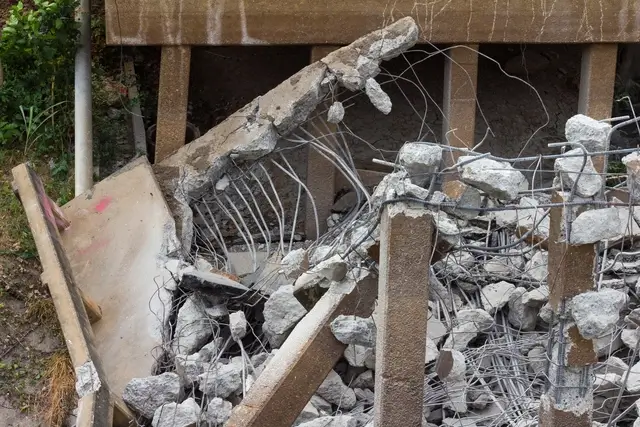
That pile always looks smaller in your head. Then demo starts, the framing scraps stack up, busted drywall spreads across the floor, and now you are figuring out where to haul construction debris without burning half a day on dump runs. That question matters more than most people think, because the wrong plan slows the job, creates safety issues, and can turn a clean site into a mess that keeps growing.
For homeowners, the issue is usually volume and convenience. For contractors and property managers, it is about keeping the site moving and staying out of disposal trouble. Either way, construction debris is not regular curbside trash, and not every load can go to the same place.
Where to haul construction debris depends on what you have
The first thing to sort out is the material itself. Clean wood, drywall, shingles, concrete, brick, flooring, cabinets, insulation, metal, and mixed demo debris do not always follow the same rules. Some transfer stations take mixed construction and demolition material. Some landfills accept certain debris but not others. Concrete and masonry may need to go to a site that handles inert materials or recycling. Appliances, paint, chemicals, and anything hazardous are a separate issue entirely and need their own handling.
This is where people get tripped up. They assume one trip solves everything, load a trailer with a mixed pile, then find out the facility will not take part of the load. Now you are sorting debris in a parking lot or hauling it back. On a real job site, that is lost time, extra labor, and frustration nobody needed.
If you are dealing with a kitchen tear-out, for example, the load may include cabinets, countertop pieces, drywall, trim, flooring, and maybe a sink or old appliances. That is not the same as hauling a stack of clean concrete from a patio removal. The best disposal plan changes with the material.
The most common places to take construction debris
In most areas, you are looking at three practical options.
A landfill is the straightforward answer for mixed debris that cannot be recycled separately. It is usually the fallback when the load is dirty, combined, or not worth sorting. The trade-off is cost, weight-based fees, travel time, and sometimes long wait lines.
A transfer station can be a better fit when you need a local drop point and do not want to drive all the way to a landfill. These facilities are often set up to receive construction and demolition debris, then move it out in larger loads. But acceptance rules still vary. One station may take drywall and lumber together, while another may have restrictions on bulky items or heavy masonry.
A recycling yard or material-specific facility makes sense when you have a cleaner load. Concrete, metal, cardboard packaging, and some untreated wood may be accepted separately. This can be the best route on larger projects where material is already sorted. It is usually not the best route for a mixed trailer full of demo debris from a small remodel unless someone has time to separate everything first.
What to check before you load the truck
Before you haul anything, call the facility and ask the boring questions. Those questions save money.
Ask what materials they accept, whether the load must be sorted, how they charge, and whether they have weight or vehicle restrictions. Some places do not want enclosed loads mixed with loose debris. Some require tarps. Some only accept contractor loads during certain hours. Some will take shingles but not treated wood. Those details matter.
Also think about access. A pickup with a few sheets of drywall is one thing. A dump trailer loaded with concrete is another. If your truck is close to weight limits, your disposal plan needs to account for that before you hit the road. Heavy materials get expensive fast, and they are hard on equipment.
That is why concrete is worth mentioning on its own. People often ask where to haul construction debris as if all debris weighs the same. It does not. A load of lumber and trim handles very differently than a load of broken slab. Concrete, brick, block, and dirt-like debris can overwhelm a trailer quickly. Sometimes the smarter move is multiple smaller loads or using a hauling crew with equipment built for that material.
Why job site cleanup gets more complicated than people expect
The hauling part sounds simple until the site is active. Then you have nail-filled lumber near walkways, drywall dust everywhere, packaging blowing around, and a pile that keeps changing as different trades come through. Now debris removal is not just disposal. It is site control.
On smaller jobs, crews often try to handle debris as they go. Sometimes that works. Sometimes it turns into a corner of the lot stacked with scrap, broken tile, and torn-out fixtures that sits there for a week because nobody wants to stop production for dump runs. That affects safety, staging space, and how the job looks to the owner or tenant.
For property managers and landlords, the problem is even less predictable. A turn or cleanout can start as a light trash-out and turn into flooring debris, damaged cabinets, busted furniture, and leftover renovation material all mixed together. At that point, knowing where to haul construction debris is only part of the problem. The other part is having the labor, equipment, and time to get it loaded out efficiently.
When hauling it yourself makes sense
If the debris is light, the volume is manageable, and you already know which facility will take it, self-hauling can work fine. A small bathroom remodel, a few yards of clean wood scrap, or leftover materials from a weekend project may not justify bringing in a crew.
It also makes sense when the load is already sorted and easy to access. If everything is stacked near the driveway and there are no surprises, the math may work in your favor.
The problem is that people usually estimate based on the neat stack before teardown is finished. Once debris is loose, broken down, and mixed, the volume jumps. Then the project that looked like one run becomes three. Add fuel, disposal fees, loading time, unloading time, and wear on your truck, and the cheap option starts looking less efficient.
When a hauling crew is the better move
If the debris is heavy, mixed, or sitting in a spot that is hard to access, a hauling crew usually saves time. The same goes for active jobs where your crew needs to stay focused on building, not cleanup logistics.
A good debris hauling service should know local disposal channels, show up with the right truck or trailer, load efficiently, and keep the process simple. That matters when you are staring at concrete chunks, piles of framing scrap, or a remodel site that has gone from manageable to out of hand.
This is also where communication matters. If you are coordinating around a contractor schedule, tenant turnover, or a property sale, you do not need vague arrival windows and surprise add-ons. You need a clear plan for what is being removed, how access works, and what happens to the material after pickup.
In Northeast Georgia, that is often the practical value of working with a local operator like Drop Zone CleanUp. Not because debris is glamorous. It is not. But because real cleanup work goes smoother when the crew understands job site pressure, shows up ready, and gets the pile gone without turning it into another project.
A few materials that deserve extra attention
Drywall is common, but not every facility handles it the same way, especially if it is mixed with insulation, flooring, or wet debris. Shingles can be accepted in some places and restricted in others. Treated wood may have its own rules. Concrete and brick are often better taken to a dedicated material yard if one is available.
Then there are the items that should not be tossed in with general construction debris at all, like paint, solvents, fuel, or other hazardous materials. Those require separate disposal channels. If they are mixed into the load, they can stop the whole process.
That is another reason sorting at the source helps. Even basic separation can make disposal easier and cheaper. Wood in one pile, masonry in another, metal set aside, general demo debris together. You do not need a perfect recycling program on every project. You just need enough order to avoid a bad load.
The best answer is the one that keeps the job moving
If you are trying to figure out where to haul construction debris, do not start with the dump. Start with the material, the volume, and the amount of time you can afford to spend dealing with it. Sometimes a self-haul run is fine. Sometimes it is the exact kind of side task that throws off the whole day.
The cleanest jobs are not always the ones with the least debris. They are the ones with a disposal plan before the pile gets out of hand. Handle that early, and the rest of the work gets a lot easier.